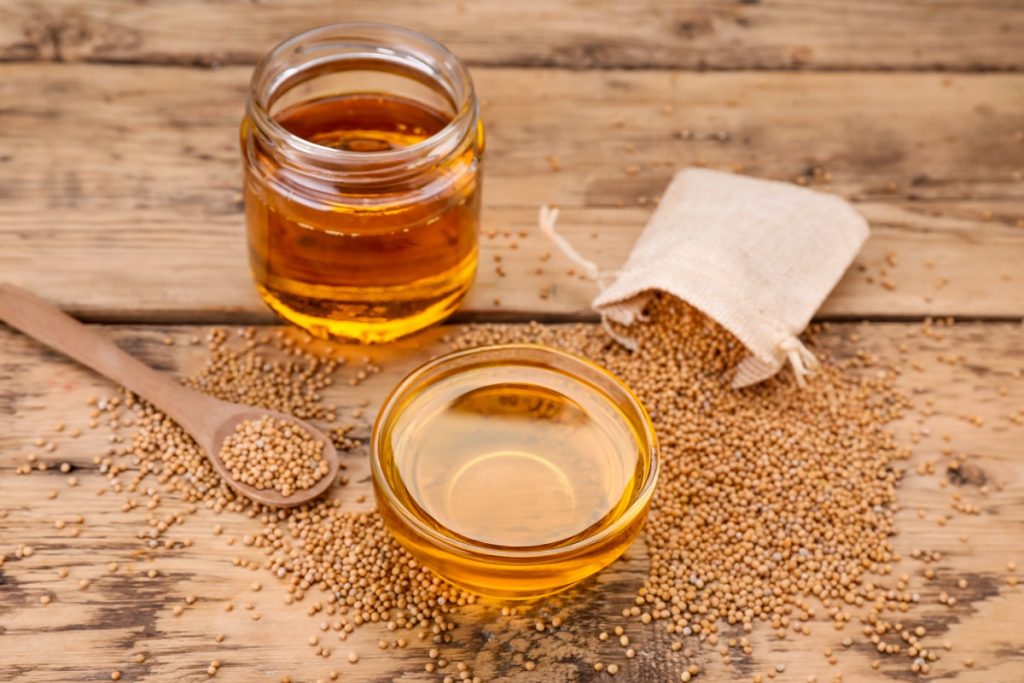

Mustard seeds may be tiny, but they are one of the most essential whole spices in Indian cooking. Known as rai or sarson, these seeds add a distinct aroma, subtle heat, and depth of flavour to everyday dishes. From the crackling tadka in dal to spicy pickles and regional curries, mustard seeds are a staple that brings recipes to life.
Beyond their culinary appeal, mustard seeds are valued for their nutritional profile and versatility. Here’s everything you need to know about their benefits, uses, and the best ways to store them.
What Are Mustard Seeds?
Mustard seeds are the dried seeds of the mustard plant and are available in black, brown, and yellow varieties. Black and brown mustard seeds are the most commonly used in Indian kitchens because of their bold, pungent flavour, while yellow mustard seeds have a milder taste and are popular in Bengali cooking, marinades, and mustard based gravies. When heated in oil, mustard seeds pop and release their characteristic nutty aroma, making them the perfect base for tempering.
Health Benefits of Mustard Seeds
Mustard seeds are more than just a flavour enhancer. They also provide several nutrients that support a balanced diet.
Rich in Essential Nutrients
Mustard seeds contain dietary fibre, calcium, iron, magnesium, selenium, and healthy fats that contribute to overall wellness when consumed as part of a varied diet.
Supports Digestion
Mustard seeds have long been used in traditional cooking because they can help stimulate digestion and add warmth to meals.
Contains Natural Antioxidants
The seeds contain naturally occurring plant compounds that have antioxidant properties, making them a nutritious addition to everyday recipes.
Culinary Uses of Mustard Seeds
One of the reasons mustard seeds remain a pantry staple is their incredible versatility.
Tempering
The most common use is in tadka. Add mustard seeds to hot oil and allow them to crackle before adding curry leaves, cumin, or dried chillies. This simple step adds depth to dals, sambars, vegetable dishes, and chutneys.
Pickles
Mustard seeds are an essential ingredient in many Indian pickles. Their sharp flavour complements mango, lemon, mixed vegetables, and chilli pickles beautifully.
Curries
Several regional cuisines use mustard seeds to build flavour. Bengali mustard fish, South Indian curries, coconut gravies, and vegetable preparations all rely on mustard seeds for their distinctive taste.
Spice Blends
Ground mustard seeds are also used in spice blends, marinades, and homemade sauces to add a subtle pungency.
How to Store Mustard Seeds
Proper storage helps preserve both flavour and aroma.
- Store mustard seeds in an airtight container.
- Keep them in a cool, dry place away from sunlight and moisture.
- Avoid storing them near the stove where heat and humidity can reduce freshness.
- Buy whole seeds whenever possible, as they retain their flavour much longer than ground mustard.
When stored correctly, whole mustard seeds can stay fresh for many months without losing their characteristic aroma.
Tips for Cooking with Mustard Seeds
Follow these simple tips to get the best flavour from mustard seeds.
- Always heat the oil before adding the seeds so they pop properly.
- Avoid burning them, as burnt mustard seeds develop a bitter taste.
- Pair them with curry leaves, cumin, asafoetida, or fennel for balanced flavour.
- Use them sparingly, as a small quantity is enough to flavour an entire dish.
Conclusion
Whether you’re preparing a comforting dal, a spicy pickle, or a traditional regional curry, quality mustard seeds make all the difference. Sunrise Pure Spices offers premium Whole Rai that delivers the bold aroma and authentic taste Indian cooking is known for. Carefully selected for freshness and flavour, they are ideal for everyday tempering, pickling, and a wide variety of home-cooked recipes.
FAQs
1. What are mustard seeds used for in cooking?
Mustard seeds are commonly used for tempering, pickles, curries, chutneys and spice blends. When added to hot oil, they release a nutty aroma that enhances the flavour of a wide range of Indian dishes.
2. What is the difference between black, brown and yellow mustard seeds?
Black and brown mustard seeds have a stronger, more pungent flavour and are widely used in Indian cooking. Yellow mustard seeds are milder and are often used in Bengali cuisine, marinades and mustard based gravies.
3. Should mustard seeds be roasted before use?
No. Mustard seeds are typically added directly to hot oil for tempering. As they begin to crackle and pop, they release their distinctive flavour and aroma.
4. How should mustard seeds be stored?
Store mustard seeds in an airtight container in a cool, dry place away from direct sunlight and moisture. Whole mustard seeds retain their flavour longer than ground mustard.
5. How long do whole mustard seeds stay fresh?
When stored properly in an airtight container, whole mustard seeds can remain fresh and flavourful for several months.
6. Which dishes commonly use mustard seeds?
Mustard seeds are widely used in dal, sambar, vegetable stir fries, coconut chutneys, Bengali fish curry, lemon and mango pickles, and many South Indian and regional Indian recipes.