How Imported Ingredients Reach Restaurants in Thailand
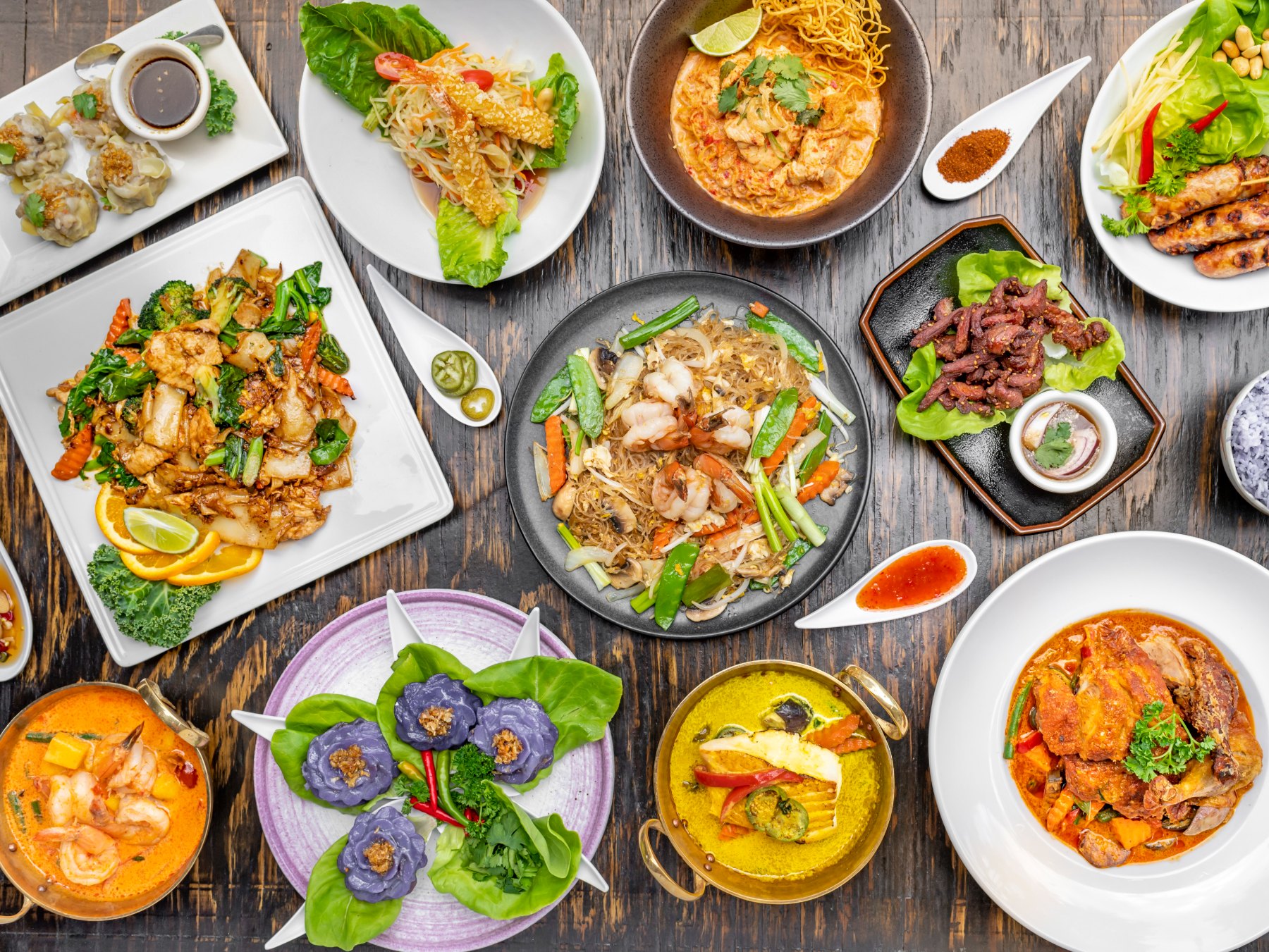
Imported seafood, dairy products and speciality ingredients reach Thai restaurants through a network of producers, transport companies and local businesses. A chef may order several of them from one supplier, even though they began in different countries and travelled under different conditions. Behind that single delivery is a sequence of decisions about product specifications, shipping and storage.
A Thailand food distributor connects the restaurant’s requirements with that wider supply network. Some businesses import directly, while others buy from an importer before supplying their own customers. Understanding those roles helps explain why an ingredient’s availability reflects production schedules, shipping arrangements and the stock already held locally.
The product is specified before it travels
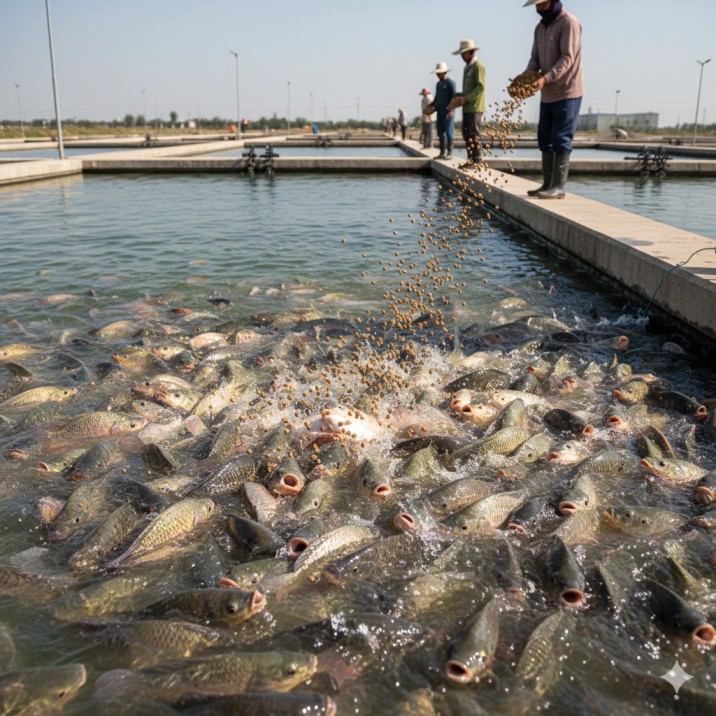
The overseas producer supplies information identifying what is being sold, including its format, packaging and storage requirements. Those details matter to the buyer because a whole frozen fish, a portioned fillet and a prepared seafood product create different requirements in the kitchen.
The commercial order also establishes quantities and delivery arrangements between the parties. The product’s remaining shelf life needs to suit the expected transit and subsequent use. A purchasing decision therefore involves the route to market as well as the ingredient itself.
Transport is arranged around the product’s needs. Frozen goods require appropriate temperature control, while suitable dry ingredients travel under different storage conditions. Packaging helps protect the contents during handling, and shipment records connect the goods with the order being fulfilled.
Import formalities connect the shipment to its documents
At the Thai border, the importer arranges the relevant declarations and supporting information, sometimes using a customs broker. Thai Customs describes an import process involving a goods declaration and documents such as the commercial invoice and packing list. These identify the shipment and support its clearance by connecting the declared information with the goods.
Food importation also involves Thai FDA requirements. The FDA states that importing food for sale requires an import licence, with further procedures depending on the type of product. The appropriate permissions and product information therefore need to be addressed before a shipment is treated as ready for sale.
The invoice, packaging information and physical goods should describe the same consignment. A discrepancy needs resolving within the import process, which is one reason a dispatch date cannot always be treated as a confirmed restaurant delivery date.
Local distribution
After clearance, ingredients enter the local storage and distribution arrangements. A distributor can hold stock for several customers and assemble an order containing products from different producers. This allows a restaurant to purchase quantities suited to its own production instead of receiving an entire international shipment.
Storage conditions and product identification remain relevant at this stage. Stock must be kept under its specified conditions, with the information needed to connect an outgoing delivery to the incoming batch.
The final delivery is arranged around the restaurant’s receiving hours, staffing arrangements and available storage. Before changing an ingredient on the menu, the buyer should establish whether the new product is held locally or must be ordered from abroad. That distinction affects replenishment, minimum quantities and how much notice the supplier needs for the next order.