Every home baker learns the same lesson sooner or later: a frosting that tastes incredible off a spoon can turn a carefully baked layer cake into a leaning mess within an hour. Spread soft whipped cream over a heavy three-tier chocolate cake, and the layers start sliding before guests even arrive. Coat a delicate vanilla chiffon in thick, overly sweet sugar icing, and the subtle crumb disappears completely under a wall of sweetness.
Great cake design sits right at the intersection of flavor and engineering. Frosting does three jobs at once: it binds layers together, locks in moisture so the sponge stays tender, and creates the visual canvas for every swirl, sharp edge, or piped flower on top. Knowing how the major frosting styles behave in the mixing bowl, on the turntable, and on the dessert table makes it far easier to pick the right match for both your palate and your design.
Buttercreams: From Classic Bakery Sweetness to Silky Elegance
When people picture cake frosting, buttercream is usually what comes to mind. Yet the label covers several completely different recipes, each with its own sweetness level, mouthfeel, and structural strength.
American Buttercream
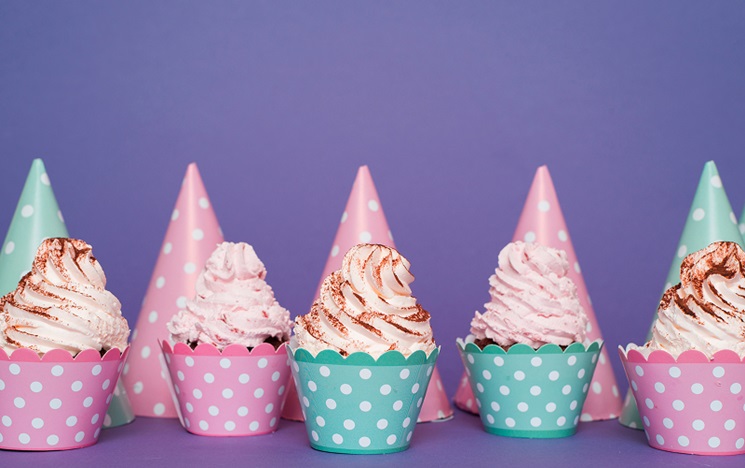
American buttercream is the fastest, most familiar frosting in US kitchens. Made simply by beating softened butter with powdered sugar, a pinch of salt, vanilla, and a splash of milk or heavy cream, it requires no stovetop cooking and comes together in ten minutes.
Its biggest decorating superpower is that it forms a light outer crust as it sits exposed to air. That thin crust makes it forgiving for smoothing crisp sides, holding tall piped borders, and surviving a car ride to a birthday party. The trade-off is sweetness. Because powdered sugar provides the structure, American buttercream can easily taste cloying if spread too thick. Using salted butter, adding a touch of cream, and whipping it thoroughly helps lighten the texture without sacrificing stability.
Swiss and Italian Meringue Buttercream
If you have ever eaten a wedding cake with frosting that felt like cool silk on your tongue rather than gritty sugar, you almost certainly tasted a meringue buttercream. Both versions start with cooked egg whites and granulated sugar whipped into a glossy meringue, followed by softened butter beaten in a tablespoon at a time.
In Swiss meringue buttercream, the egg whites and sugar are warmed together over simmering water until every sugar crystal dissolves before whipping. In Italian meringue buttercream, boiling sugar syrup is streamed directly into whipping egg whites. Italian meringue tends to be slightly sturdier in warm rooms, while Swiss meringue is simpler to master in a home kitchen.
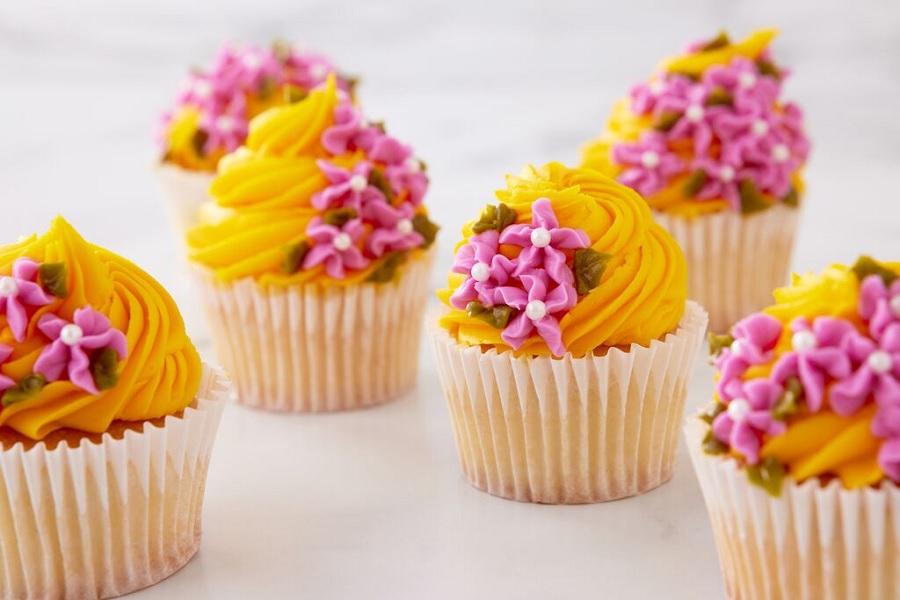
Both produce a remarkably smooth, lightly sweet, satiny finish that takes gel food coloring cleanly and pipes delicate florals without air bubbles. Because butter makes up the backbone of the recipe, these frostings chill rock-firm in the refrigerator and soften quickly in direct summer heat. Pulling a meringue-frosted cake out of the fridge roughly an hour before slicing lets the texture return to its signature velvety softness.
French Buttercream
French buttercream swaps egg whites for rich egg yolks beaten with hot sugar syrup and butter. The result tastes almost like chilled pastry cream whipped into mousse. Because the yolks give it a naturally pale yellow tint and a softer set, bakers rarely use French buttercream for bright white exteriors or intricate tall piping. Instead, it shines inside layer cakes—especially paired with dark chocolate sponge, espresso soak, or hazelnut praline.
Cream Cheese and Mascarpone Frostings for Tangy Balance
Some cakes practically demand a touch of acidity to keep rich flavors from feeling heavy. Spiced carrot cake, red velvet, hummingbird cake, and banana layers owe much of their appeal to the cool tang of cream cheese frosting.
Classic cream cheese frosting blends full-fat brick cream cheese with butter and powdered sugar. The challenge for cake decorators is softness. Overbeating cream cheese breaks down its protein structure and turns the bowl soupy, making sharp sides or detailed piping frustrating. Keeping ingredients cool, using full-fat block cream cheese rather than spreadable tubs, and beating the butter and sugar first before folding in cold cream cheese at the end yields a much sturdier consistency.
For a lighter, less tangy cousin, whipped mascarpone frosting blends Italian mascarpone cheese with heavy cream and a modest amount of sugar. It tastes faintly sweet, holds soft swoops beautifully, and pairs naturally with fresh berries, lemon curd, and coffee-soaked sponge cakes.
Chocolate Ganache: Drip Glaze, Fluffy Filling, or Structural Armor
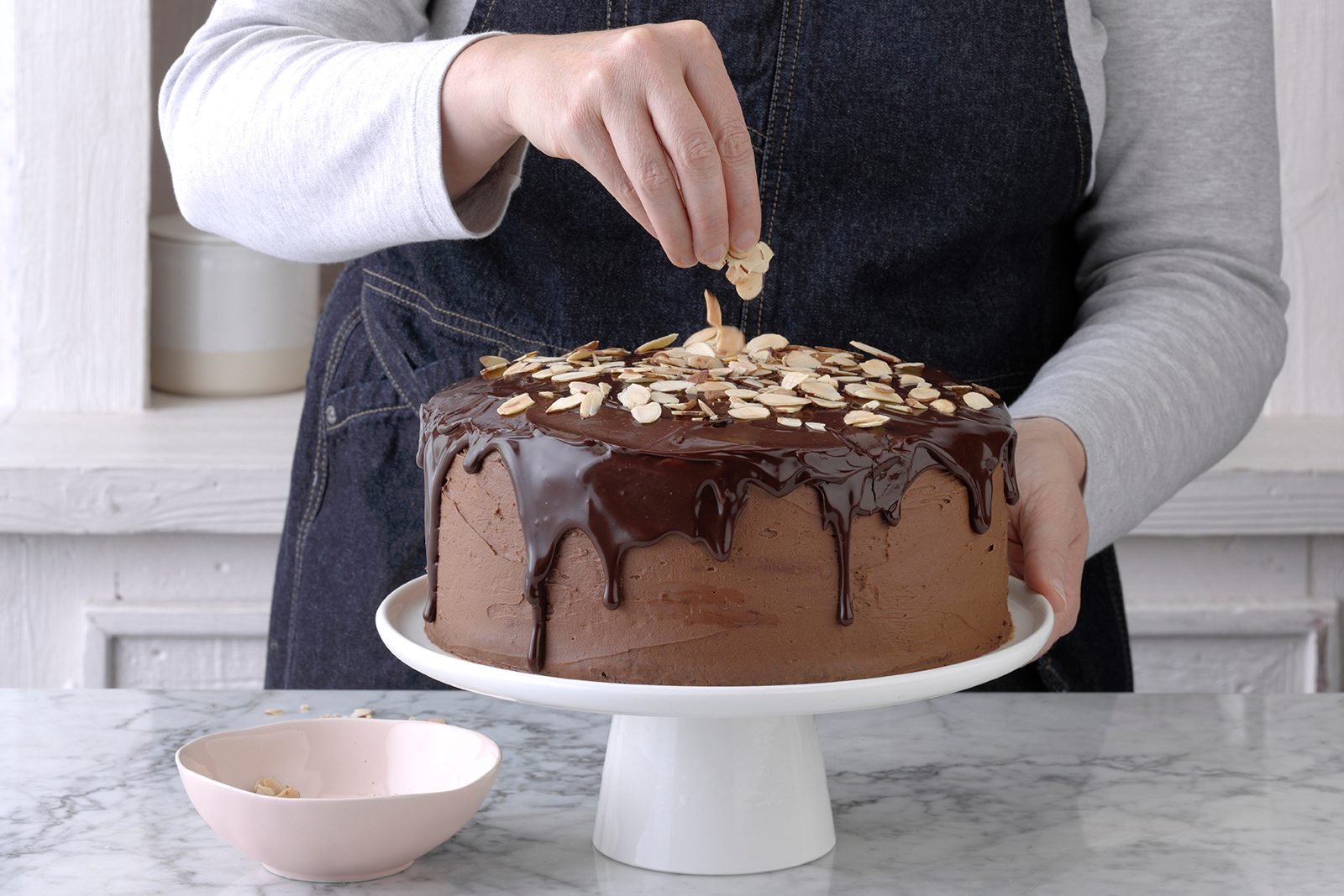
Made from just two ingredients—real chopped chocolate and heavy cream—ganache might be the most versatile covering in a decorator’s toolkit. Simply shifting the ratio of chocolate to cream changes its personality completely:
-
Pouring glaze and cake drips (1:1 ratio): Equal weights of dark chocolate and hot cream cool into a glossy sauce that cascades cleanly down chilled cake edges.
-
Whipped truffle frosting (1:1 ratio, chilled and beaten): Letting that same mixture cool completely and whipping it with a mixer turns it into a light, pipeable mousse with deep cocoa flavor.
-
Firm structural coating (2:1 dark chocolate to cream): Doubling the chocolate creates a paste that sets almost like smooth chocolate fudge. Professional bakers rely on firm ganache to sculpt razor-sharp corners and build an airtight shell under fondant, especially in humid summer climates where buttercream struggles.
White chocolate ganache works the same way for bright, tintable finishes, though it requires a higher ratio—closer to three parts white chocolate to one part cream—because white chocolate lacks the drying cocoa solids found in dark chocolate.
Ermine Frosting and Stabilized Whipped Cream for Lighter Cakes
Not everyone enjoys rich, butter-heavy cakes, and light frostings have surged back in popularity among bakers who prefer a clean, balanced finish.
Ermine frosting, sometimes called boiled milk frosting or flour buttercream, is a vintage Southern classic that originally topped traditional red velvet cakes long before cream cheese took over. You start by cooking milk, flour, and sugar on the stove into a thick pudding-like paste, cooling it completely, and whipping it into creamed butter. There is zero powdered sugar involved, which means zero chalky grit. It tastes remarkably like rich whipped cream, holds piped swirls surprisingly well, and never overwhelms delicate vanilla or coconut layers.
Stabilized whipped cream solves the classic flaw of plain Chantilly cream, which weeps and collapses after a couple of hours. Adding a small amount of unflavored gelatin, mascarpone, or a spoonful of instant vanilla pudding mix locks the airy peaks in place for a full day or two in the refrigerator. While it still cannot support heavy fondant toppers or sit outdoors in July, it remains unbeatable for strawberry shortcake, angel food cake, and chilled fruit tortes.
Fondant and Royal Icing for Architectural Precision
When a design calls for crisp storybook characters, seamless marble textures, or clean geometric panels that look almost sculpted from porcelain, soft frostings reach their limit.
Rolled fondant is a pliable sugar dough rolled thin and draped over a crumb-coated cake. It seals in moisture, shields delicate layers during long deliveries, and accepts edible paints, metallic luster dusts, and molded details effortlessly. Fondant gets a bad reputation mainly when it is applied too thick over dry cake. Experienced decorators roll it thinly over a flavorful layer of ganache or Swiss meringue buttercream—or make homemade marshmallow fondant for a softer bite—so guests enjoy both crisp visuals and genuine flavor.
Royal icing, whisked from meringue powder or egg whites and powdered sugar, dries completely hard. Outside of traditional dense wedding fruitcakes, bakers seldom cover an entire cake in royal icing. Instead, it serves as fine detailing: delicate lace piping, tiny beads, crisp lettering, and fragile sugar blossoms piped days ahead and placed onto buttercream right before serving.
How to Choose the Right Frosting for Your Next Cake
Narrowing down the options becomes straightforward once you weigh four practical questions before turning on the oven:
-
How sweet is the cake itself? Pair naturally sweet, dense cakes like carrot or chocolate fudge with tangy cream cheese, bittersweet dark ganache, or lightly sweet Swiss meringue. Save sweeter American buttercream for simple butter sponges or modest layers where extra sweetness is welcome.
-
What will the room temperature be? Outdoor summer parties and warm venues quickly melt whipped cream and soften cream cheese. Lean on dark chocolate ganache, Italian meringue buttercream, or crusting buttercream when refrigeration is limited.
-
What visual finish are you chasing? Choose rustic swoops and soft waves with mascarpone, ermine, or whipped ganache; pick Swiss meringue, firm ganache, or fondant when razor-sharp edges and clean symmetry matter most.
-
Can you chill the cake ahead of time? Remember that cream cheese and whipped cream require refrigeration until serving, while buttercreams and firm ganache benefit from chilling during assembly and then resting briefly at room temperature so every slice cuts cleanly and tastes lush.
You do not even have to commit to a single choice per cake. Some of the most memorable designs combine two strengths—layering tangy cream cheese or airy whipped ganache inside for flavor, then wrapping the exterior in smooth Swiss meringue buttercream for clean lines and dependable structure. Once you stop treating frosting as a one-size-fits-all topping and start matching texture, stability, and sweetness to each bake, your cakes will taste every bit as unforgettable as they look on the stand.