
Why Generic Nutrition Advice Falls Short for Pilates Practitioners in Singapore
The internet is full of nutrition advice for people who exercise. Most of it follows a template: eat enough protein, time your carbohydrates, stay hydrated, avoid processed food. This advice is not wrong, but it is generic to the point of being largely unhelpful for someone trying to get specific results from a specific movement practice while living in a specific food environment.
Singapore’s food landscape is unlike anywhere else in the world. The hawker centre is a cultural institution, a social space, and for millions of Singaporeans, the primary source of daily meals. Understanding how to navigate this food environment thoughtfully, rather than treating it as an obstacle to fitness goals, is central to building a nutrition approach that actually sustains a consistent pilates singapore practice over the long term.
This article is not about eliminating char kway teow or feeling guilty about kaya toast. It is about understanding what your body genuinely needs to recover from Pilates sessions, build the functional strength that Pilates develops, manage the inflammation that can arise from intensive training, and sustain energy across Singapore’s long, demanding days.
What Pilates Actually Demands From Your Nutrition
Before discussing food choices, it is worth being precise about what Pilates asks of the body nutritionally, because it is different from what high-intensity training demands.
Pilates is a moderate-intensity practice that relies heavily on slow-twitch muscle fibres, which are the endurance-oriented fibres responsible for sustained, controlled movement. It does not deplete glycogen stores the way a 45-minute HIIT session does, and it does not create the same degree of muscle protein breakdown as heavy resistance training. This means the nutritional requirements for Pilates are genuinely different from those you might follow for more intense exercise.
The key nutritional priorities for Pilates practitioners are:
- Adequate protein to support the muscle remodelling that Pilates stimulates
- Anti-inflammatory foods to support connective tissue health and recovery
- Stable blood sugar to sustain the focus and body awareness that Pilates requires
- Sufficient magnesium and micronutrients for muscle function and nervous system regulation
- Proper hydration for fascia health and joint lubrication
Pre-Session Eating: Timing and Food Choices
The goal of pre-session eating for Pilates is to arrive with stable blood sugar and light enough stomach content that deep core engagement is comfortable. Unlike pre-run or pre-HIIT nutrition, you do not need to carbohydrate load before a Pilates session.
One to Two Hours Before
A small, easily digestible meal with moderate carbohydrate and protein works well. Some practical Singapore options include:
- Brown rice congee with sliced fish or soft tofu: easily digestible, provides slow-releasing carbohydrate and light protein
- Soft-boiled eggs with a small portion of wholegrain bread: simple, widely available, provides sustained energy
- Plain yong tau foo soup with tofu and vegetables: light, protein-containing, easy on the digestive system
- A banana with a small handful of almonds: quick, portable, provides potassium for muscle function
Thirty Minutes Before
If you are exercising close to a meal or simply need something small, light options work best:
- A small cup of plain soy milk, which is widely available at hawker centres
- Half a banana
- A small portion of plain oatmeal with no added sugar
Avoid heavy, oil-rich, or high-fibre foods in the hour before class. Foods like nasi lemak, laksa, or large portions of any kind will make deep abdominal engagement uncomfortable and reduce your ability to feel the exercises clearly.
Post-Session Nutrition: The Recovery Window
The period immediately following a Pilates session is when nutritional choices have the greatest impact on the muscle remodelling and connective tissue repair that the session has stimulated. The standard recommendation to consume protein within 30 to 60 minutes after exercise applies to Pilates, though the quantity needed is more modest than after intense strength training.
Protein Sources Available in the Hawker Centre Context
Singapore’s hawker food culture is actually quite protein-rich once you look at it through this lens:
- Steamed fish from economy rice stalls: excellent lean protein, minimal inflammatory fats
- Tofu and tempeh from various stalls: plant-based protein with additional isoflavone benefits, relevant for women managing hormonal balance
- Eggs in virtually any preparation: economical, complete protein source
- Lean chicken rice with less sauce: the steamed chicken variant provides clean protein, and requesting less sauce reduces sodium load
- Minced pork or fish ball noodle soup: broth-based meals are good post-session choices because they are hydrating and not too heavy
The goal is approximately 20 to 30 grams of protein in the post-session meal, which is achievable in any hawker centre without much effort.
Anti-Inflammatory Eating for Connective Tissue Health
Pilates works the connective tissue extensively. Fascia, tendons, and ligaments all undergo a remodelling process stimulated by the controlled loading that Pilates provides. This remodelling is a positive adaptation, but it requires nutritional support to proceed optimally.
Chronic low-grade inflammation, which is common in urban populations eating high-processed-food diets, impairs connective tissue repair and can contribute to the kind of persistent joint stiffness and soft tissue tightness that makes Pilates feel harder than it should.
Anti-Inflammatory Foods Readily Available in Singapore
- Turmeric: a cornerstone of Singapore’s Indian culinary tradition, turmeric’s active compound curcumin has well-documented anti-inflammatory properties. Ordering dishes with turmeric, such as fish head curry, dal, or certain Malay dishes, provides regular exposure to this compound
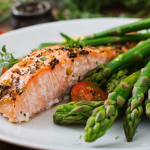
- Oily fish: ikan bilis, sardine curry, and grilled salmon at kopitiam Western stalls provide omega-3 fatty acids that directly modulate inflammatory pathways
- Ginger: widely used in local cooking from ginger chicken to ginger tea, ginger contains gingerols and shogaols with meaningful anti-inflammatory effects
- Fresh fruit: papaya contains papain which aids tissue recovery; pineapple contains bromelain which has similar properties; both are readily available as cut fruit from hawker centres
- Green leafy vegetables: kangkong, kai lan, and spinach stir-fried at economy rice stalls provide magnesium, folate, and antioxidants that support muscle recovery
Foods to Moderate
This is not about elimination but about balance. Foods that chronically elevate inflammatory markers include refined sugar in excess, highly processed oils found in some commercial snacks, and alcohol. Occasional consumption has minimal impact; it is the daily pattern that matters.
Hydration in Singapore’s Climate
Singapore’s year-round heat and humidity mean that Pilates practitioners need to be more attentive to hydration than their counterparts in temperate climates. Even in an air-conditioned studio, the body loses fluid during a Pilates session, and this fluid loss affects fascia hydration, joint lubrication, and the clarity of body awareness that good Pilates practice requires.
Fascia, the connective tissue network that envelops every muscle and organ, is approximately 70% water. Dehydrated fascia is less pliable, less responsive to movement, and more prone to restriction. For a practice like Pilates where fascial release and mobility are significant components, hydration has a direct functional impact.
Practical hydration targets for Singapore-based practitioners:
- Aim for 2 to 2.5 litres of total fluid on non-session days
- Add approximately 500ml on session days, consumed primarily before and after the session
- Coconut water available freshly from hawker stalls is an excellent electrolyte-rich option and culturally convenient
- Plain water remains the most effective hydration choice; flavoured drinks and teas with added sugar should not be counted as primary hydration sources
Magnesium: The Overlooked Nutrient for Pilates Practitioners
Magnesium is involved in over 300 enzymatic reactions in the body, including muscle contraction and relaxation, nerve signal transmission, and energy production. It is also the mineral most commonly depleted in people under chronic stress, which describes a significant proportion of Singapore’s working population.
Signs of magnesium insufficiency that are particularly relevant to Pilates practitioners include muscle cramping, difficulty relaxing muscles after contraction, heightened sensitivity to fatigue, and disrupted sleep. Many people who find certain Pilates exercises disproportionately fatiguing or who experience frequent muscle cramps during or after sessions may benefit from attention to magnesium intake.
Singapore foods with meaningful magnesium content include dark leafy greens, tofu, pumpkin seeds available at specialty stores, brown rice, and dark chocolate. For those with significant deficiency or high stress loads, a magnesium glycinate supplement taken in the evening is generally well-tolerated and effective.
Eating Patterns That Support Consistent Practice
Beyond specific food choices, the overall pattern of eating through the day has a significant impact on Pilates performance and recovery.
Skipping meals, particularly breakfast, destabilises blood sugar and reduces the focused awareness that Pilates demands. Practising Pilates in a fully fasted state is not advisable for most people because deep core engagement and proprioceptive awareness are both compromised by low blood sugar.
Eating a very large meal within two hours of a session is equally problematic because a full digestive system competes with deep abdominal engagement and makes movements like the Roll Up, Hundred, and Teaser genuinely uncomfortable.
The most effective pattern for most practitioners is regular, moderate meals with adequate protein and complex carbohydrate at each, timed so that neither excessive fullness nor low blood sugar is present during the session.
At Yoga Edition, many regular practitioners have found that establishing consistent pre- and post-session eating routines is one of the factors that most accelerates their progress in the studio, because the body responds more predictably and recovery is faster when nutritional support is reliable.
Frequently Asked Questions
Q. Should I eat differently on days I do Pilates versus rest days? A. Modest adjustments are sensible. On Pilates days, prioritise your pre-session meal to ensure stable blood sugar and a post-session protein-rich meal within an hour of finishing. On rest days, the body is still undergoing the repair and adaptation stimulated by the previous session, so protein intake should remain consistent even without the pre/post timing emphasis.
Q. I practise Pilates first thing in the morning before breakfast. Is this a problem? A. Training fully fasted is not ideal for Pilates because the focus and body awareness the practice requires are compromised by low blood sugar. A small, easily digestible snack 20 to 30 minutes before your session, such as a banana or a small cup of plain soy milk, makes a meaningful difference without disrupting digestion.
Q. Are there specific foods that help with the muscle soreness that sometimes follows Pilates? A. Tart cherry juice has good evidence for reducing delayed onset muscle soreness, though it is not widely available in standard Singapore hawker settings. More accessible options include adequate protein intake post-session, tart fruits like pineapple for their bromelain content, and good hydration. Anti-inflammatory foods eaten consistently across the week reduce baseline soreness more effectively than any single post-exercise food.
Q. I have been told to increase my protein intake for muscle toning. How much do I actually need for Pilates? A. For most adults engaged in regular Pilates practice, approximately 1.2 to 1.6 grams of protein per kilogram of body weight per day is sufficient for muscle remodelling and recovery. This is achievable through regular inclusion of protein-rich foods at each meal without supplementation, for most people.
Q. Does coffee before a Pilates session help or hinder performance? A. A moderate amount of caffeine, one to two hours before a session, generally does not impair Pilates performance and may modestly improve focus. However, caffeine is a diuretic and can contribute to dehydration in Singapore’s climate, so ensure you are drinking water alongside it. Avoid excessive caffeine if you find that it increases physical tension or makes the relaxation-focused aspects of Pilates more difficult.
Q. Are collagen supplements worth taking for someone who does a lot of Pilates? A. The evidence for collagen supplementation combined with exercise for connective tissue health is growing and moderately positive. Taking 10 to 15 grams of hydrolysed collagen peptides with vitamin C approximately one hour before a Pilates session appears to support tendon and ligament remodelling based on current research. It is not essential, but for practitioners with a history of connective tissue injury or joint laxity, it may be a worthwhile addition.