What Makes a Memorable Mapo Tofu Dish More Than Just Its Level of Spice
The Details That Make Every Spoonful Count
- A memorable mapo tofu dish depends on balanced seasoning, tender tofu and a sauce with depth, not simply how spicy it is.
- Ingredients such as fermented bean paste, garlic, ginger and Sichuan peppercorns contribute to its distinctive flavour.
- The quality and texture of the tofu matter because they affect how well the sauce coats each piece.
- Rice and complementary dishes can make mapo tofu part of a more satisfying shared meal.
- Choosing a Chinese family restaurant involves considering menu variety, consistency, atmosphere and the needs of everyone at the table.
Why Is Mapo Tofu More Than a Test of Spice Tolerance?
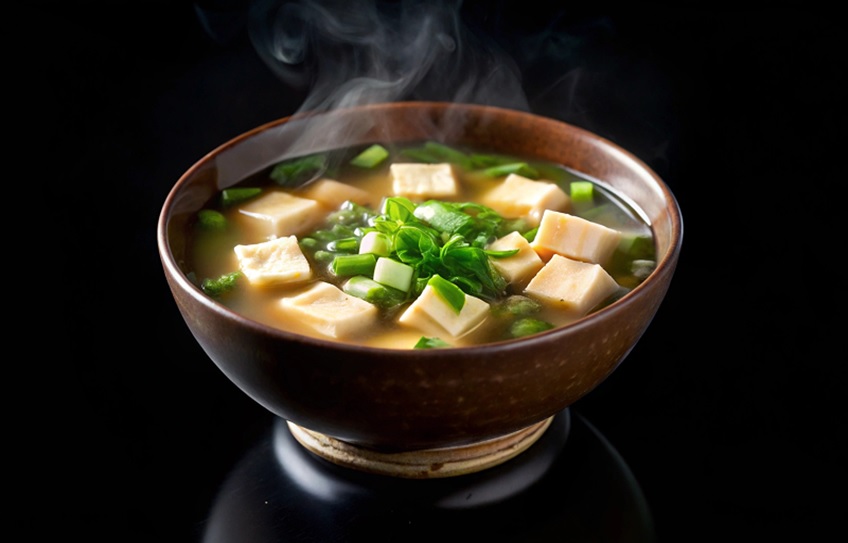
A good mapo tofu dish can be recognised by more than the heat it brings. Although chilli is an important part of its character, the dish relies on several flavours working together. The savoury depth of fermented bean paste, the fragrance of garlic and ginger, and the texture of soft tofu all contribute to the experience.
Mapo tofu originated in Sichuan, China, where it is traditionally prepared with tofu, minced meat, chilli bean paste and Sichuan peppercorns. The latter adds a distinctive tingling sensation that differs from ordinary chilli heat. Together, these ingredients create a dish that is bold, aromatic and deeply savoury.
However, a memorable version should not leave diners noticing only the chilli. Excessive heat can hide the other ingredients and make the sauce feel one-dimensional. A well-balanced preparation allows the spice to complement the savoury notes rather than overpower them.
This is why people searching for the best mapo tofu in Singapore may want to consider more than the dish’s advertised spice level. The texture, seasoning and overall balance can make a greater difference to the enjoyment of each serving.
How Do Ingredients and Preparation Shape the Final Dish?
The ingredients provide the foundation, but preparation determines how well they come together. Tofu is especially important because its texture affects the entire dish. Soft tofu is commonly used for its delicate consistency, allowing it to absorb the sauce while remaining smooth. Firmer varieties can also work, depending on the recipe and the texture the cook wants to achieve.
The sauce needs equal attention. Fermented chilli bean paste contributes saltiness and depth, while soy sauce adds further savoury flavour. Garlic, ginger and spring onions create an aromatic base. Sichuan peppercorns may introduce their familiar numbing sensation, while chilli provides warmth.
The cooking process brings these ingredients together. Aromatics are usually cooked first to release their fragrance, followed by the meat and seasonings. The sauce is then prepared before the tofu is added. Gentle handling helps prevent the tofu from breaking apart, while careful simmering allows it to take on the surrounding flavours.
A sauce that is too thin may fail to coat the tofu properly. One that is too thick can feel heavy and mask the ingredients. The aim is a consistency that clings to the tofu without becoming overly rich.
These details help distinguish a carefully prepared bowl from one that relies mainly on strong seasoning. Even a simple dish can feel satisfying when its ingredients and cooking method receive proper attention.
What Should You Look for When Choosing the Best Mapo Tofu in Singapore?
Personal taste plays a role when deciding which version of mapo tofu is most enjoyable. Some diners prefer the traditional Sichuan style, with pronounced chilli heat and a numbing sensation. Others may favour a milder preparation with a thicker sauce and a more rounded savoury taste.
Before choosing a restaurant, consider the style of mapo tofu it serves. If you prefer a stronger flavour, ask whether the dish includes Sichuan peppercorns or a more traditional chilli bean paste. If you enjoy gentler seasoning, check whether the kitchen offers a milder version. Asking about spice levels can help avoid ordering a dish that does not suit your preferences.
Consistency is another useful consideration. Tofu should retain its shape, the sauce should be evenly seasoned, and the ingredients should complement one another. Portion size and how the dish fits into the wider menu also matter, especially when ordering for a group.
Online reviews can provide an idea of what other diners enjoy, but individual preferences differ. One person’s ideal level of heat may be too strong or too mild for someone else. Looking at menu descriptions and asking the restaurant about its preparation can give you a clearer idea of what to expect.
Why Does Mapo Tofu Belong on a Family Dining Table?
Mapo tofu is well suited to shared meals because it pairs easily with familiar Chinese dishes. Served with steamed rice, it becomes a filling main course. At a family table, it can also be enjoyed alongside vegetables, soups and other dishes, giving everyone a chance to sample different flavours.
Its soft texture makes it easy to serve and share, while the sauce adds a strong flavour to a meal built around milder accompaniments. However, spice preferences can vary widely within a family. Children and diners who prefer less heat may appreciate a milder version, while those who enjoy stronger flavours can choose other dishes with more pronounced seasoning.
A Chinese family restaurant should make it comfortable for different diners to enjoy a meal together. A varied menu, suitable portion sizes and dishes that can be shared help accommodate different appetites and preferences. Service and seating also contribute to the experience, particularly when families dine with children or older relatives.
Mapo tofu can therefore be more than an individual order. It can become part of a shared meal where familiar flavours bring people together, and everyone can choose something they enjoy.
Enjoy the Flavour Beyond the Heat
A memorable mapo tofu dish is built on balance. The spice should complement the savoury sauce, the tofu should remain tender, and the ingredients should work together without competing for attention. These qualities matter just as much as the level of heat.
When exploring Chinese dining in Singapore, consider how a dish is prepared and how it fits into the wider meal. Whether you prefer traditional Sichuan intensity or a gentler interpretation, the right combination of texture, seasoning and flavour can make a simple bowl especially satisfying.
Contact us at Chenexpress to learn more about its menu and dining options. Whether you are planning a family meal or looking for familiar Chinese favourites, exploring the available dishes can help you decide what to enjoy at your next visit.