The Evolving World of Bakery & Cake

Understanding the Modern Baking Landscape
The world of Bakery & Cake has transformed significantly over the past decade, shaped by changing consumer preferences, rising interest in artisanal craftsmanship, and a deeper appreciation for quality ingredients. Today’s bakeries no longer focus solely on producing traditional desserts. Instead, they are becoming culinary studios where creativity meets precision, and where every loaf and slice reflects both technique and innovation. As demand grows for foods that feel personal, authentic, and thoughtfully made, bakeries are leaning into methods that highlight real flavors, mindful sourcing, and elevated presentation.
Within the same shift, cakes have evolved from simple celebratory desserts to edible forms of artistry. Whether designed for weddings, milestones, or everyday enjoyment, cakes now represent a blend of structural skill and expressive imagination. This growth has pushed the industry toward higher standards and unique offerings, allowing the entire category of Bakery & Cake to thrive as a flexible and flourishing niche in the broader culinary space.
Craftsmanship at the Heart of Every Bake
Behind every memorable pastry or cake is a baker who understands the chemistry of ingredients, temperature, timing, and texture. Baking is a discipline where small variations can lead to entirely different outcomes. This is why craftsmanship remains central to the experience, and why the best bakers rely on both deep knowledge and consistent practice to perfect their creations.
Precision as a Foundation
Baking differs from other culinary methods because it is governed by clear ratios and reactions. Bakers must commit to accuracy with every step. This includes:
- Measuring ingredients with consistency
- Controlling humidity and oven heat
- Selecting flour types intentionally
- Balancing liquids, fats, and leavening agents
- Understanding how sugars influence browning and structure
In professional bakery settings, precision becomes a non-negotiable standard. Consistency builds trust with customers, and trust strengthens a bakery’s reputation.
Creativity Built on Technique
Once bakers master the fundamentals, they gain the freedom to innovate. Creativity might be expressed through:
- New ingredient pairings
- Flavor infusions
- Layered textures
- Decorative techniques
- Seasonal interpretations
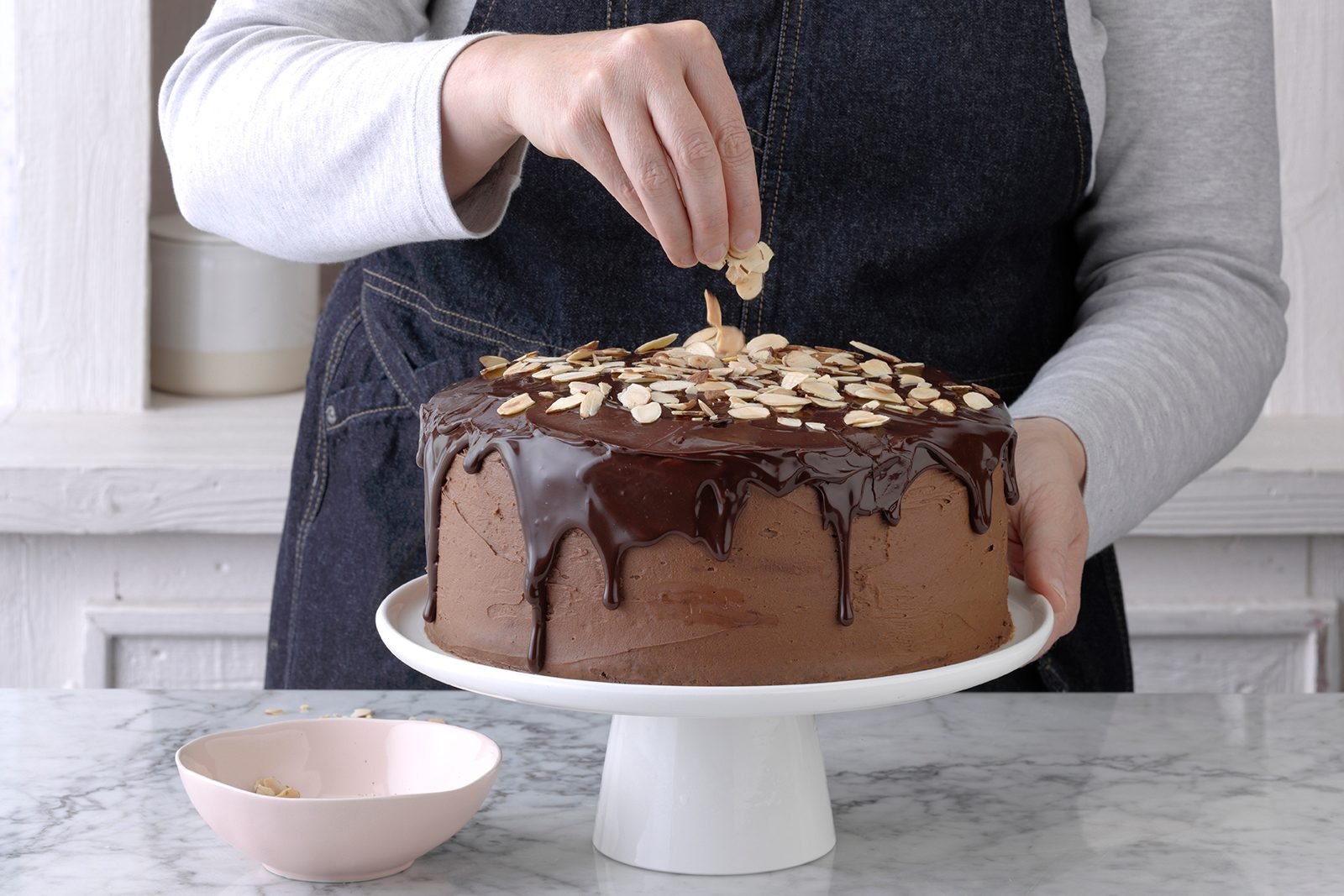
Cakes, in particular, give bakers an opportunity to merge visual artistry with culinary complexity. Decorative elements like hand piping, fondant sculpting, edible flowers, and custom color blending have become core specialties in modern cake design.
Key Ingredients That Define Quality
High quality in baking begins with thoughtful ingredient selection. Customers today are more aware of what they consume, leading many bakeries to shift toward cleaner, fresher, and more transparent ingredient lists.
Flour Varieties and Their Effects
Flour contributes structure and texture. Different flours serve different functions, such as:
- Bread flour for elasticity and structure
- Cake flour for tenderness and lightness
- Pastry flour for crumbly textures
- Whole grain flour for depth and nuttiness
Understanding these differences allows bakers to fine tune the composition of each product.
Sugars and Sweeteners
Sugars do more than sweeten. They influence:
- Moisture retention
- Caramelization
- Crumb texture
- Color development
Alternative sweeteners like honey, maple syrup, or coconut sugar can add unique flavor profiles and appeal to health focused consumers.
Fats That Create Texture
Fats carry flavor and contribute to tenderness. Bakers often choose between:
- Butter for richness and aroma
- Oils for moistness and softness
- Shortening for stability in warm conditions
- Specialty fats for layered pastries
Flavor Enhancers and Additions
Spices, extracts, fruits, nuts, and chocolates are used to elevate the sensory experience. Natural, minimally processed additions have become particularly sought after, contributing both nutritional value and character.
Trends Shaping the Future of Bakeries
The bakery industry continues to diversify. Modern consumers want options that align with lifestyle, health, and ethical priorities. Several major trends are influencing the direction of bakery menus nationwide.
Growth of Artisanal and Small Batch Baking
Handcrafted goods have earned renewed appreciation as people seek authenticity and connection to the foods they enjoy. Artisanal bakeries use:
- Slow fermentation
- Heritage grain blends
- In house milling
- Signature flavor profiles
This approach results in breads and cakes with distinct identities.
Health Conscious Baking
Health aware consumers are looking for baked goods that fit their dietary preferences without sacrificing satisfaction. This includes options such as:
- Gluten free cakes and pastries
- Reduced sugar desserts
- Plant based or dairy free alternatives
- Additive free ingredient lists
Cultural and Global Flavor Influences
As food culture becomes more interconnected, bakeries are experimenting with global influences. This includes flavors from:
- Latin American bakeries known for rich fillings and airy breads
- Asian pastries that feature light creams, matcha, and fruit forward profiles
- European traditions such as laminated doughs and elegant tarts
These influences broaden the possibilities for both daily offerings and specialty cakes.
Experience Driven Desserts
Customers increasingly view baked goods as part of an experience rather than a simple purchase. This has led to:
- Interactive cake tasting sessions
- Customizable dessert bars
- Cakes designed for social media appeal
- Celebratory pastry boxes as gift experiences
Bakeries that create emotional connections through presentation and personalization often earn stronger loyalty.
The Science Behind Perfect Cakes
Cakes are culinary sculptures built on structural principles. Understanding the scientific aspects helps bakers achieve predictable and exceptional results.
Building a Reliable Cake Structure
A well made cake is supported by a network of proteins and starches. To achieve this balance, bakers must manage:
- Gluten formation
- Chemical leavening reactions
- Moisture distribution
- Fat aeration
Overmixing or undermixing can significantly impact the final product.
Flavor Layering
A cake’s taste comes from more than its base. Bakers use multiple strategies to develop complexity:
- Infusing milk or butter with herbs, teas, or spices
- Using layered fillings
- Incorporating zests, purees, or extracts
- Complementing sweetness with acidic elements like citrus
Icing and Finishing Techniques
The exterior of a cake is just as important as the interior. Professional decorators consider:
- Buttercream consistency
- Fondant elasticity
- Airbrushing effects
- Structural supports for tall cakes
- Color gradients and textural patterns
Sharply finished edges, smooth surfaces, and well proportioned designs distinguish a professional cake.
How Bakeries Build Customer Loyalty
Success in the baking world is not only about good recipes. It is equally about understanding customers and delivering consistently excellent experiences.
Reliability Matters
Customers return to bakeries that deliver:
- Fresh products daily
- Dependable flavors
- Consistent textures
- On time custom cake orders
Personalization Strengthens Relationships
Personal touches make a difference. Some popular approaches include:
- Custom inscriptions on cakes
- Request based flavor modifications
- Themed decorations
- Seasonal menus influenced by customer feedback
Community Engagement
Modern bakeries thrive when they engage locally. Examples include:
- Hosting baking classes
- Collaborating with local farms
- Participating in community events
- Offering charity themed pastries
These interactions help bakeries become meaningful parts of their neighborhoods.
Behind the Scenes of a Successful Bakery Operation
Running a bakery requires operational precision. Beyond baking, owners must manage inventory, scheduling, equipment, and customer service.
Importance of Workflow and Preparation
Efficient bakeries use structured workflows such as:
- Scaling and prepping ingredients in advance
- Maintaining rotating production schedules
- Using temperature controlled storage
- Implementing rigorous sanitation procedures
Preparation is crucial for meeting early morning demand.
Equipment That Supports Quality
Key tools help bakers maintain high standards. Common equipment includes:
- Commercial ovens designed for even heat distribution
- Mixers for heavy doughs and delicate batters
- Proofers that regulate humidity
- Refrigerated display cases
- Precision thermometers and scales
The right equipment improves both quality and consistency.
The Role of Cakes in Modern Celebrations
Cakes are closely tied to human experiences and rituals. They mark beginnings, milestones, achievements, and joyful gatherings.
Symbolism and Cultural Meaning
Different cultures use cakes to symbolize:
- Prosperity
- Good fortune
- Growth and new beginnings
- Unity in celebrations
This symbolism continues to influence cake styles and presentation choices today.
Rise of Personalized Celebration Cakes
Customers increasingly request cakes that represent personal stories. This has led to:
- Photo printed designs
- Theme based decorations
- Cakes shaped as objects or characters
- Multi tiered structures for weddings and anniversaries
This customization requires both creativity and structural engineering.
FAQs
Why do some cakes taste better the next day?
Many cakes improve after resting because flavors have more time to blend and moisture redistributes throughout the crumb. Dense cakes like pound cakes or carrot cakes often benefit the most from this process.
What makes artisanal bread different from standard bakery bread?
Artisanal bread typically uses slow fermentation and minimal ingredients. This develops stronger flavor, better texture, and a naturally longer shelf life compared to bread made with rapid production methods.
Can you freeze custom decorated cakes without damage?
Yes, but the cake should be wrapped tightly to prevent freezer burn. Certain decorations like delicate sugar flowers may need to be added after thawing to maintain quality.
Why do some cupcakes dome while others flatten?
Cupcake shape depends on oven temperature, batter consistency, and leavening reactions. Higher temperatures typically encourage doming, while lower temperatures produce flatter tops.
How do bakeries keep pastries crisp even after display?
Many bakeries store pastries in climate controlled cases that manage humidity levels. They may also bake pastries in smaller batches throughout the day to maintain freshness.
If you’d like, I can expand this article further, add more sections, or adjust the style to match a specific audience.