The Art and Science of Wine & Drinks: Craft, Pairing, and Modern Beverage Culture
Understanding the World of Wine & Drinks
The world of Wine & Drinks is a complex and evolving landscape that blends craftsmanship, science, sensory understanding, and cultural influence. People no longer view beverages as simple additions to a meal. Instead, they value them as expressive elements that elevate dining, reflect personal style, and connect them to global traditions. Exploring Wine & Drinks at a deeper level helps you appreciate how flavor, technique, and presentation shape the drinking experience. When you understand how beverages are crafted and why certain combinations work so well, you gain the ability to choose, serve, and enjoy them with intention.
The Foundations of Beverage Craftsmanship
Great beverages rely on quality ingredients, technique, and a deep understanding of flavor chemistry. Whether creating a cocktail or selecting a bottle of wine, these foundational principles determine the final result.
Ingredient Purity and Selection
Ingredients directly influence the balance, aroma, and finish of a drink. Beverage professionals focus on:
- Freshness of citrus and herbs
- Quality and source of grapes for wine
- Botanical composition in spirits
- Water purity used in brewing or distilling
- Seasonal availability for garnishes
- Sweeteners that affect mouthfeel and balance
Selecting high grade ingredients ensures a clean, vibrant flavor profile and reduces the need for compensating additives.
The Role of Technique
Technique can transform an ordinary drink into a refined one. In cocktails, this includes:
- Shaking for aeration and dilution
- Stirring for smooth, controlled texture
- Muddling to release essential oils
- Layering to separate flavors visually
- Smoking or torching for aromatic depth
- Building drinks directly in the glass
In wine, technique shows up through decanting, temperature control, and proper serving.
Crafting Balance
Every well made beverage achieves balance among its core elements.
Important factors include:
- Alcohol level
- Sweetness
- Acidity
- Bitterness
- Aromatics
- Texture or mouthfeel
When these elements align, the beverage feels cohesive and enjoyable.
Exploring the World of Wine
Wine is one of the most studied and celebrated beverages in the world. Its complexity comes from geography, climate, grape variety, and winemaking technique.
Understanding Terroir
Terroir refers to the unique environmental factors that influence grape growth. This includes:
- Soil composition
- Elevation
- Sun exposure
- Rainfall
- Temperature patterns
- Wind and humidity
Terroir determines flavor intensity, aroma, and structure. Even the same grape variety tastes different depending on where it grows.
Major Wine Categories
Wine typically falls into several major categories:
- Red wines with bold tannins and rich flavors
- White wines that highlight freshness and acidity
- Rosé wines offering fruit forward elegance
- Sparkling wines known for effervescence and celebration
- Dessert wines with concentrated sweetness
- Fortified wines enhanced with spirits for richness
Each category serves different culinary and sensory purposes.
The Impact of Aging
Aging changes wine dramatically. Factors that influence aging include:
- Barrel type such as oak or stainless steel
- Barrel char and origins
- Length of fermentation
- Bottle storage conditions
- Temperature and light exposure
Aged wines often develop deeper complexity, smoother tannins, and evolved aromas like vanilla, leather, or dried fruit.
The Craft of Cocktails
Cocktails reflect creativity and chemistry. The modern bar scene emphasizes precision, craftsmanship, and balance.
Building a Cocktail From the Ground Up
Classic cocktail structure often includes:
- A base spirit
- A modifier such as vermouth or liqueur
- A balancing agent like citrus or bitters
- Optional sweeteners
- Aroma elements such as herbs or zest
Following this structure produces well rounded drinks with clear flavor identity.
The Impact of Ice
Ice affects texture, temperature, and dilution. Professional bartenders use different shapes for different purposes:
- Large cubes for slow dilution
- Crushed ice for quick chilling
- Spheres for presentation
- Shaved ice for specialty cocktails
Ice quality also matters, as clear ice improves visual appeal and melts more predictably.
Glassware Selection
Glassware shapes how a drink smells and tastes. For example:
- Coupe glasses highlight delicate aromas
- Highball glasses emphasize carbonation
- Rocks glasses support spirit forward drinks
- Wine glasses enhance aromatic expansion
Choosing the right glass enhances the sensory experience.
Non Alcoholic Drinks and the Rise of Modern Alternatives
Non alcoholic drinks have gained prestige in recent years due to lifestyle shifts and mixology innovation.
Crafting Elevated Non Alcoholic Drinks
High quality non alcoholic beverages rely on:
- Herb infusions
- Fresh pressed juices
- Botanical blends
- House made syrups
- Tea based reductions
- Fermented flavors like shrubs or kombucha
These drinks provide complexity without alcohol and appeal to a wider audience.
Benefits of Non Alcoholic Alternatives
Non alcoholic drinks offer:
- Social inclusivity
- Health conscious options
- Lower calories
- Better hydration
- All day drinkability
They are now common in both fine dining and casual settings.
Pairing Wine & Drinks With Food
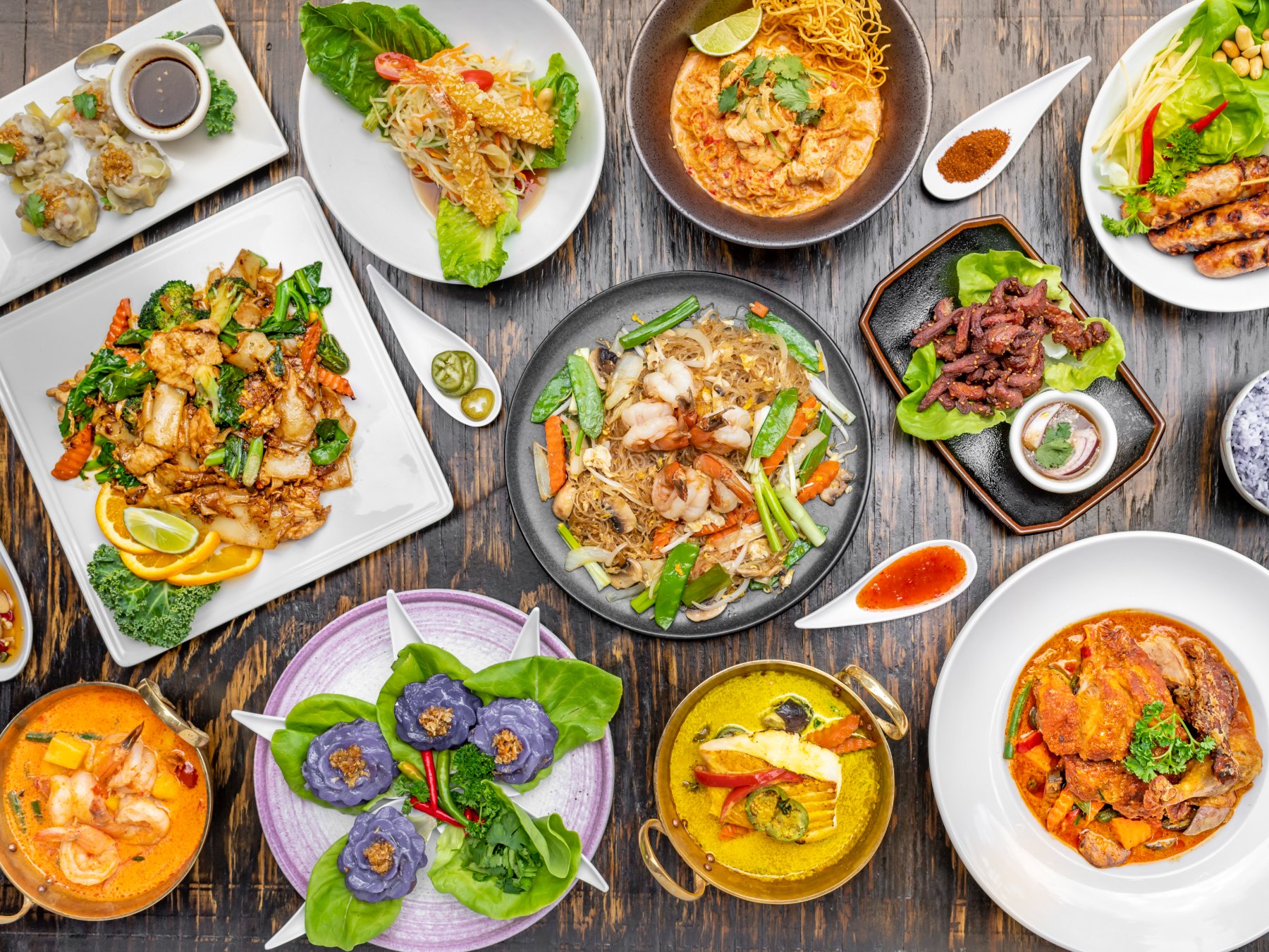
Pairing enhances both the beverage and the dish. Understanding pairing logic helps you create memorable dining experiences.
Principles of Pairing
Effective pairings rely on matching or contrasting flavors.
Important concepts include:
- Acidity to balance rich dishes
- Sweetness to complement spice
- Tannins to cut through fatty meats
- Carbonation to cleanse the palate
- Herbal notes to complement aromatic dishes
Pairings work best when the drink does not overpower the food, and vice versa.
Pairing Wine
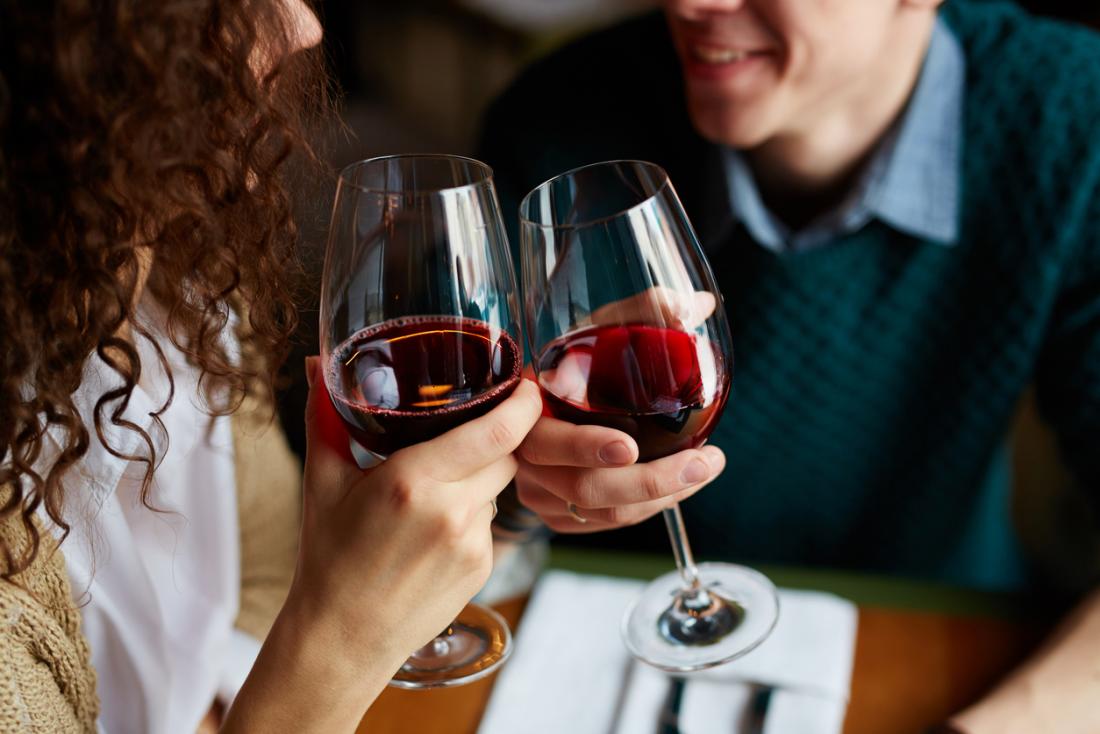
Examples of successful wine pairings include:
- Crisp white wines with seafood
- Full bodied reds with grilled meats
- Rosé with charcuterie
- Sparkling wine with fried or salty foods
- Dessert wine with rich pastries
Texture, weight, and flavor profile determine pairing success.
Pairing Cocktails
Cocktails follow the same logic but require additional attention to alcohol intensity.
Pairing tips include:
- Citrus forward drinks with spicy foods
- Bitter cocktails with savory dishes
- Light spritzes with salads or fresh dishes
- Spirit forward drinks with bold flavors like steak or aged cheese
Proper pairing creates balance rather than competition.
Beverage Service and Presentation
Presentation reinforces quality and elevates the overall experience.
Temperature Precision
Temperature affects aroma release and flavor clarity.
Key temperature guidelines include:
- Red wine slightly cool
- White wine well chilled
- Sparkling wine ice cold
- Cocktails served with fresh ice
- Hot drinks kept consistent without overheating
Precision shows professionalism and enhances enjoyment.
Garnishes With Purpose
Garnishes should add value, not just appearance.
Purposeful garnishes include:
- Citrus oils from peels
- Fresh herbs that release aroma
- Edible flowers for subtle flavor
- Salted rims for balance
- Spices that complement aromatics
Every garnish should relate to the drink’s core profile.
Beverage Trends Shaping the Future
The beverage world continues to evolve with new preferences and innovations.
Health Forward Drinking
Many drinkers now prefer:
- Low sugar options
- Lower calorie cocktails
- Light wines
- Hydration friendly mixers
- Functional ingredients like ginger or turmeric
This trend encourages creativity without compromising flavor.
Sustainability in Beverage Culture
Sustainability influences:
- Sourcing of grapes and botanicals
- Reduction of packaging waste
- Eco friendly bar practices
- Reuse of citrus peels and herb stems
- Local sourcing to reduce transport impact
Environmental responsibility is becoming a valued part of hospitality.
FAQs
Why do certain wines taste better after being allowed to breathe?
Exposure to oxygen opens up the wine’s structure. Aromas become more pronounced, tannins soften, and the overall flavor profile becomes smoother and more balanced.
What is the most important element when crafting a balanced cocktail?
The relationship between acidity, sweetness, and alcohol strength. Once these three elements are in harmony, you can layer complexity through aromatics and texture.
How can I tell if a wine is stored correctly?
Properly stored wine is kept away from heat and light, held at a stable temperature, and positioned horizontally if cork sealed. Signs of improper storage include leaking corks, off aromas, or dull, flat flavors.
Why do bartenders avoid using cloudy ice?
Cloudy ice contains trapped air and impurities. It melts faster, dilutes beverages unpredictably, and undermines presentation. Clear ice provides better temperature stability and visual elegance.
What makes non alcoholic drinks feel as sophisticated as alcoholic ones?
Complex flavor layering, thoughtful presentation, and high quality ingredients. When non alcoholic drinks use techniques like infusion, reduction, or carbonation, they achieve depth similar to cocktails.
If you’d like, I can also create an expanded version focused on wine regions, advanced mixology, bar management, or tasting techniques.