The Essential Guide to Food: Craft, Culture, and the Science Behind What We Eat
Understanding the Depth and Diversity of Food
Food is far more than fuel. It represents culture, identity, memory, science, and craftsmanship. Every choice we make in the kitchen or at the table has a story behind it, which is why exploring Food at a deeper level can transform the way you cook, shop, and experience flavors. Whether you are preparing a simple meal or experimenting with an intricate recipe, your understanding of ingredients and techniques influences the outcome. Approaching Food with intention helps you appreciate the interconnected relationship between nutrition, flavor, and cooking principles, ultimately elevating the quality of everything you prepare and enjoy.
The Cultural Significance of Food
Food shapes traditions and brings people together. It is tied to celebrations, history, and shared experiences that build community.
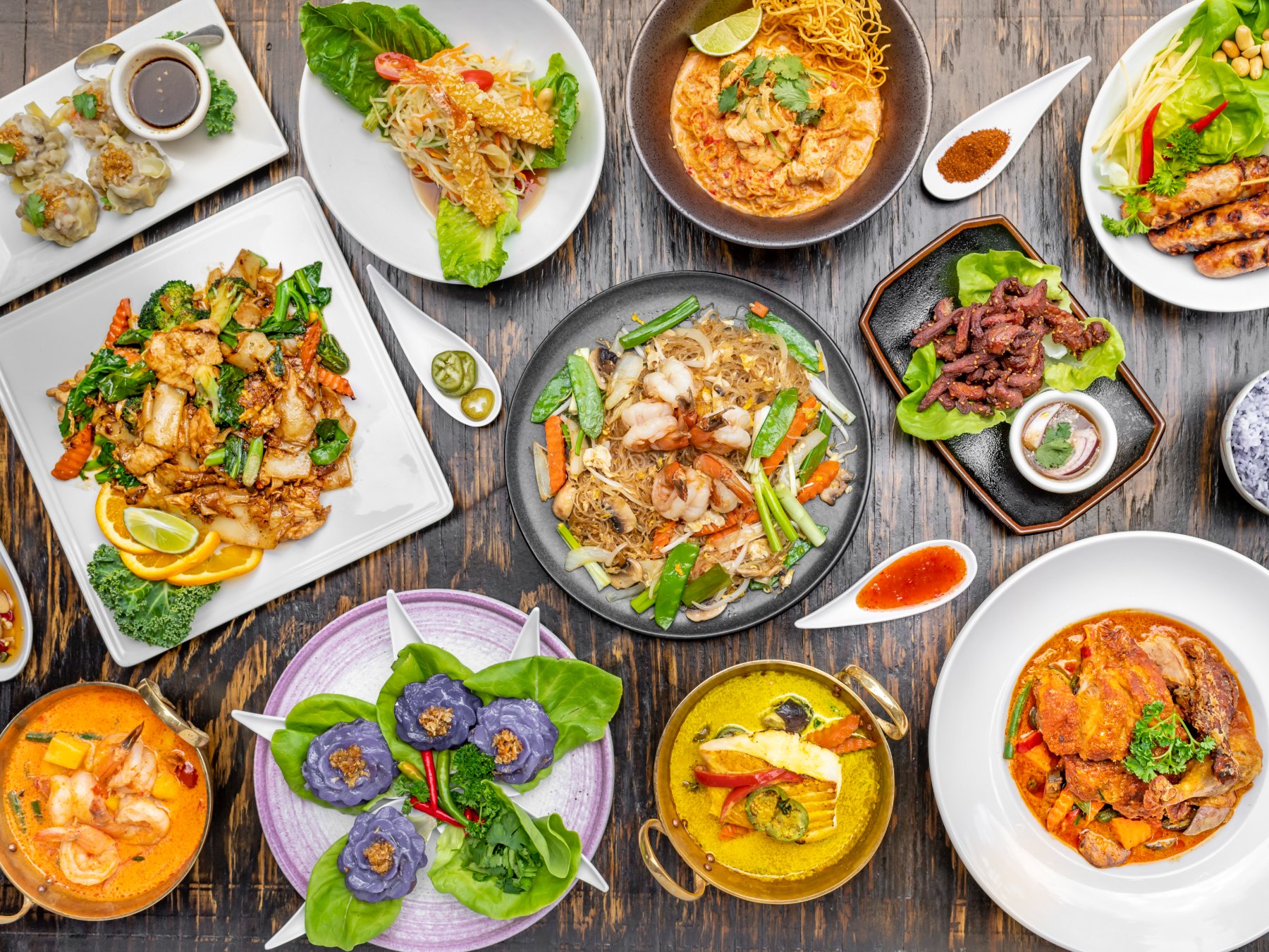
How Cultural Background Influences Flavor Choices
Each region has its own approach to ingredients, preparation, and balance. Factors that shape these differences include:
- Climate and available crops
- Religious practices
- Local trade and agricultural history
- Native herbs, spices, and aromatics
- Economic conditions and food preservation methods
These influences create diverse dishes that evolve over generations, preserving heritage while adapting to modern preferences.
Food as a Symbol of Identity
Meals often connect individuals to their roots. Recipes passed down can hold emotional value, and preparing these dishes allows families to honor their lineage. Even small details like spice levels or preferred ingredients reflect personal identity and cultural pride.
The Science Behind What We Eat
Understanding the science of food deepens your ability to work with ingredients effectively.
Nutritional Components That Shape Health
Every ingredient contains nutrients that support different bodily functions.
Key nutritional categories include:
- Carbohydrates for energy
- Proteins for muscle development and cellular repair
- Fats for brain function and vitamin absorption
- Vitamins and minerals that support immunity and vitality
- Fiber for digestive health
Learning how nutrients interact helps you create balanced meals that sustain both flavor and well being.
Chemical Reactions in Cooking
Cooking relies on transformations that happen through heat and interaction.
Common reactions include:
- Caramelization that develops sweetness in sugars
- The Maillard reaction that produces savory depth in proteins
- Gelatinization that thickens starches
- Emulsification that blends fats and water
- Denaturation that firms proteins during cooking
Mastering these reactions allows you to predict how ingredients behave under different conditions, improving consistency and creativity.
Flavor Building Techniques for Better Dishes
Great dishes rely on intentional use of flavor components. Flavor is complex, layered, and influenced by both ingredients and preparation choices.
Balancing the Five Pillars of Taste
Taste includes:
- Sweet
- Salty
- Sour
- Bitter
- Umami
A well balanced dish often uses multiple categories. For example, adding a splash of lemon can brighten a rich pasta dish, while a hint of sweetness can neutralize strong acidity in sauces.
Using Aromatics to Build Depth
Aromatics provide the foundation for countless dishes. Examples include:
- Garlic
- Onions
- Shallots
- Ginger
- Peppers
- Celery and carrots
Sautéing aromatics in fat releases fragrance and flavor, giving dishes a strong base that supports additional ingredients.
The Role of Herbs and Spices
Fresh herbs and spices can dramatically alter the flavor of food.
- Fresh herbs add brightness and are often used at the end
- Hard herbs and whole spices benefit from longer cooking
- Ground spices should be bloomed in fat for maximum aroma
Skillfully combining spices ensures your dishes feel vibrant rather than overpowering.
Ingredient Selection and Storage
Selecting and storing ingredients properly helps maintain flavor, texture, and nutrition.
Choosing High Quality Ingredients
Quality directly impacts your results. Consider:
- Seasonality, which influences flavor intensity
- Organic vs conventional options
- Freshness indicators like color, firmness, and aroma
- Source transparency from farms or local suppliers
- Protein grades or certifications
Fresh ingredients require less manipulation to produce exceptional results.
Storing Ingredients to Preserve Freshness
Improper storage leads to waste and poor outcomes.
Key storage tips include:
- Keeping herbs loosely wrapped in damp paper
- Storing vegetables in breathable containers
- Using airtight containers for grains and staples
- Freezing meats with proper wrapping to avoid freezer burn
- Labeling items with dates to track freshness
These small steps significantly reduce food waste and save money.
Cooking Methods and Their Impact on Food
Cooking methods influence flavor, texture, nutritional retention, and presentation.
Dry Heat Cooking
Dry heat enhances browning and crispness.
Common forms include:
- Roasting
- Grilling
- Broiling
- Baking
- Searing
These methods develop rich flavor through caramelization and browning reactions.
Moist Heat Cooking
Moist heat softens food and preserves hydration.
Examples include:
- Simmering
- Poaching
- Braising
- Steaming
Moist heat is ideal for delicate proteins or tougher cuts of meat that benefit from tenderizing.
Combination Methods
Some dishes use both dry and moist heat. Classic examples include sear then simmer techniques used for soups, stews, and slow cooked recipes. The combination helps develop complex flavor and tender textures.
Meal Planning and Efficient Food Management
Organizations and thoughtful planning improve the cooking experience and help maintain consistent nutrition.
Building a Balanced Meal Plan
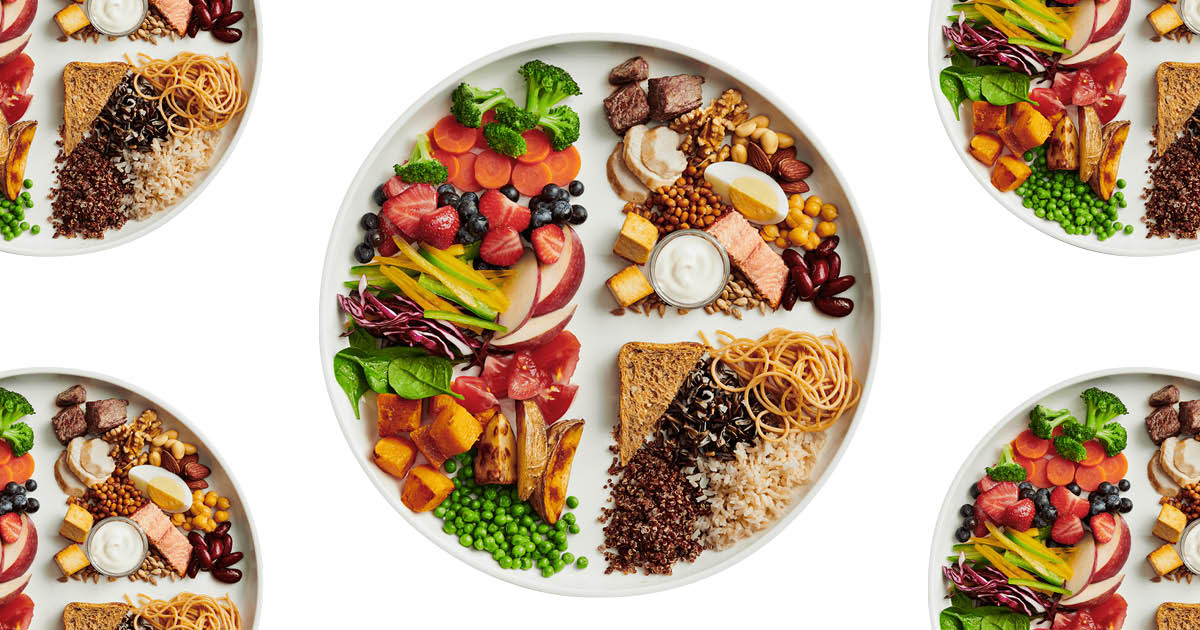
A well structured meal plan includes:
- A protein source
- A vegetable component
- A grain or starch
- A healthy fat
- Herbs and spices for flavor diversity
This structure provides flexibility while ensuring nutritional balance.
Reducing Waste Through Smart Planning
Food waste can be prevented with a strategic approach.
Consider:
- Planning several meals around shared ingredients
- Buying produce in small quantities more frequently
- Using leftovers for soups, salads, and stir fries
- Freezing unused ingredients before spoiling
Preventing waste is both economical and environmentally beneficial.
Food Safety Literacy
Food safety is essential for protecting health and avoiding preventable illnesses.
Proper Handling of Proteins
Proteins, especially meat and seafood, require careful handling.
Best practices include:
- Storing raw proteins at the bottom of the refrigerator
- Avoiding cross contamination
- Using separate cutting boards for meat and produce
- Cooking to safe internal temperatures
- Refrigerating leftovers promptly
Even skilled cooks must maintain strict food safety habits.
Checking Freshness Before Use
Visual and sensory checks help ensure safety.
Signs of spoilage include:
- Sour or ammonia like odors
- Slimy texture on proteins
- Mold growth
- Off colors or mushy areas
- Swelling in packaging
When in doubt, it is safer to discard questionable items.
The Emotional Connection We Have With Food
Food plays a powerful emotional role in daily life. It offers comfort, creativity, celebration, and connection.
Food as a Source of Comfort
Comfort foods often remind us of home or childhood. They can soothe stress and create positive emotional experiences. Many people also turn to these dishes during major life moments or celebrations.
Cooking as a Creative Outlet
Preparing food allows for self expression. Experimentation with flavors, textures, and presentations helps you discover a personal style in the kitchen. Creativity turns routine meals into enjoyable rituals.
Modern Trends Shaping the Future of Food
The food landscape evolves constantly based on culture, technology, and lifestyle changes.
Rising Focus on Sustainability
People increasingly seek:
- Reduced packaging
- Lower food waste
- Ethical sourcing
- Plant forward meals
- Regenerative agriculture
These trends influence both home cooking and commercial food production.
Convenience Without Compromising Quality
Modern cooks want meal solutions that are quick yet nutritious. This encourages innovation in areas like:
- Pre cut vegetables
- Ready to cook kits
- Shelf stable healthy options
- Time saving kitchen tools
This shift reflects busy lifestyles and growing nutritional awareness.
FAQs
What is the best way to enhance flavor without relying on excess salt?
Use fresh herbs, citrus, aromatics, and spices. Acidity from lemon or vinegar brightens dishes and reduces the need for salt.
Why does food sometimes lose texture when reheated?
Reheating causes moisture redistribution. Certain foods like bread or fried items lose crispness because steam softens the structure. Using an oven or air based heat helps maintain texture better than microwaving.
How can I make plant based dishes more satisfying?
Use techniques such as roasting, marinating, or caramelizing vegetables. Add protein rich options like legumes, tofu, and grains, and layer flavors with herbs, spices, and umami rich ingredients.
What factors cause vegetables to lose color during cooking?
Overcooking, high acidity, and excessive water exposure can dull color. Blanching and quick sauté methods help maintain vibrancy.
How do I know when spices in my pantry have expired?
Spices lose aroma over time. If a spice smells faint or has a dusty aroma, it is no longer effective. Whole spices last longer than ground ones, but both should be replaced when their scent weakens.
If you’d like, I can create another version focused on nutrition, culinary science, or specific world cuisines.